
Dumpster Weight Calculator – Asheville, NC
If you’re planning a cleanout, remodel, or job site in Asheville, weight matters more than most people realize. Guess wrong, and a “right-sized” dumpster can still come back overweight. This calculator helps you estimate debris weight before you rent, so you choose the right setup and avoid extra charges.
Estimate Your Load
Tell us what you're throwing away and we'll do the math.
—
Estimate Dumpster Weight Before You Rent
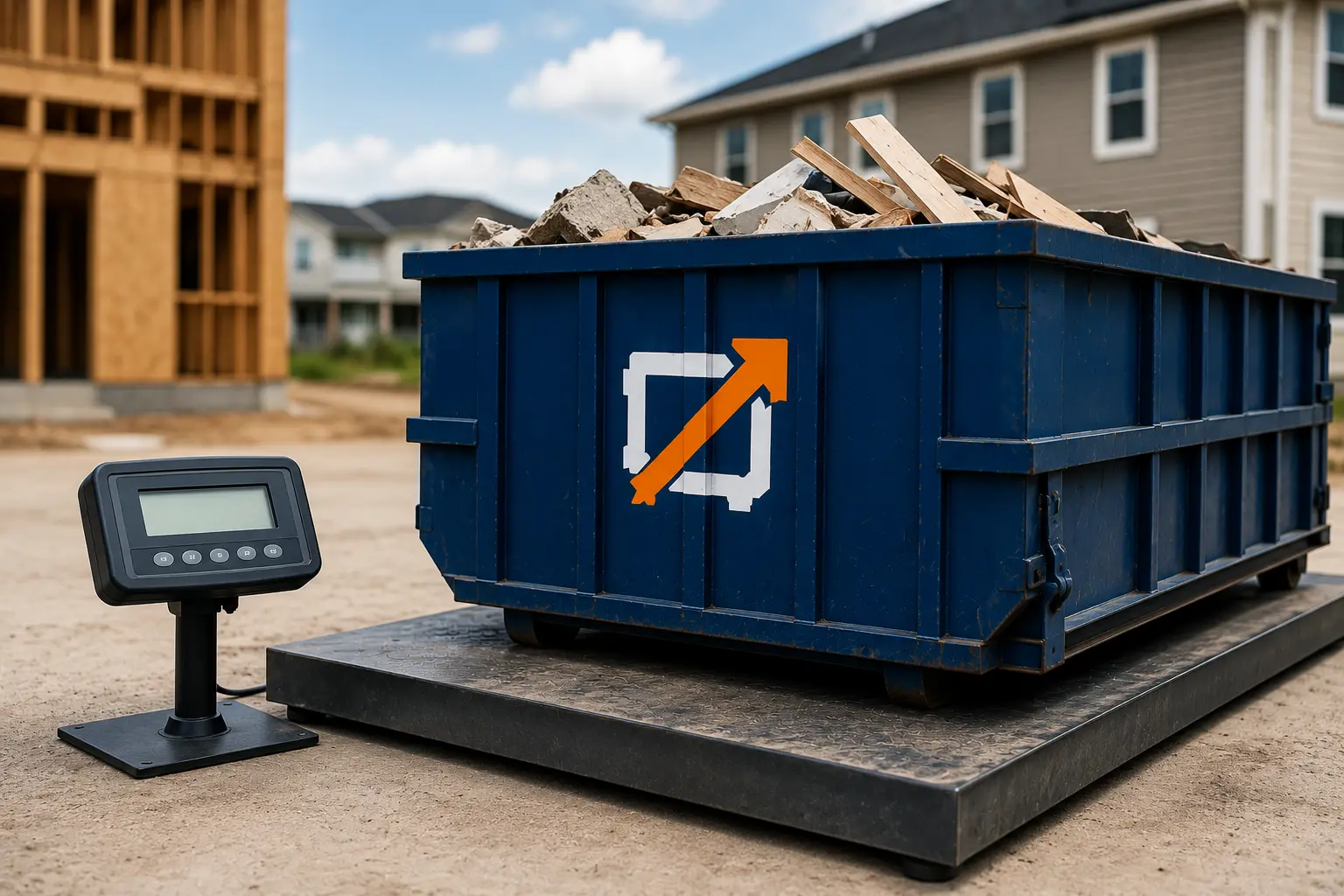
Most dumpster problems don’t come from size. They come from weight. Materials like shingles, concrete, wet drywall, and carpet can hit weight limits long before a container looks full. In Asheville, where debris often gets wet and loads vary by project, estimating weight upfront saves money and time.
Use this page to get a realistic weight range for your debris, understand how that translates to tons, and match it to a dumpster that fits your project, not just your driveway.
How the Dumpster Weight Calculator Works
Select Your Debris Type
Start by choosing the material you’re getting rid of. Different materials weigh very differently, even when they take up the same amount of space. Concrete, shingles, and dirt are far heavier than household junk or wood.
Enter Quantity or Area
Next, enter how much material you have. This might be square footage, thickness, or approximate volume, depending on the debris. You don’t need exact measurements, reasonable estimates work.
View Estimated Weight (lbs & tons)
The calculator converts your input into an estimated weight range in pounds and tons. This gives you a clear idea of whether you’re dealing with light, mixed, or heavy debris before you choose a dumpster.
Why Dumpster Weight Matters More Than Size
Dumpster size tells you how much space you have. Weight determines how much that load will cost. Many Asheville customers run into issues when a dumpster looks half full but exceeds the weight limit because of dense or wet materials.

How Landfill Weight Limits Affect Cost
Local landfills charge by the ton. Every dumpster includes a set weight allowance, and anything over that limit adds cost. That’s why two dumpsters of the same size can have very different final prices.
Common Causes of Overweight Dumpsters
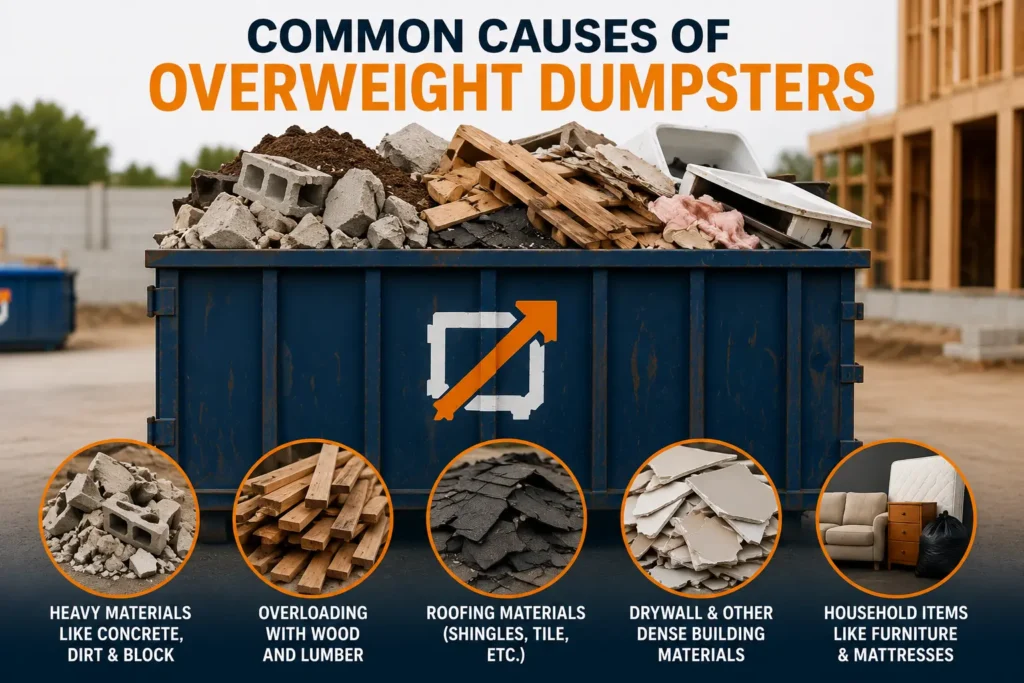
The most common causes are heavy materials and moisture. Roofing shingles, concrete, dirt, tile, and rain-soaked debris add weight fast, especially during Asheville’s wetter months.
Dumpster Weight by Material Type
Different materials can weigh two to five times more than others, even when they take up the same space. This is where most weight mistakes happen.
Concrete & Asphalt
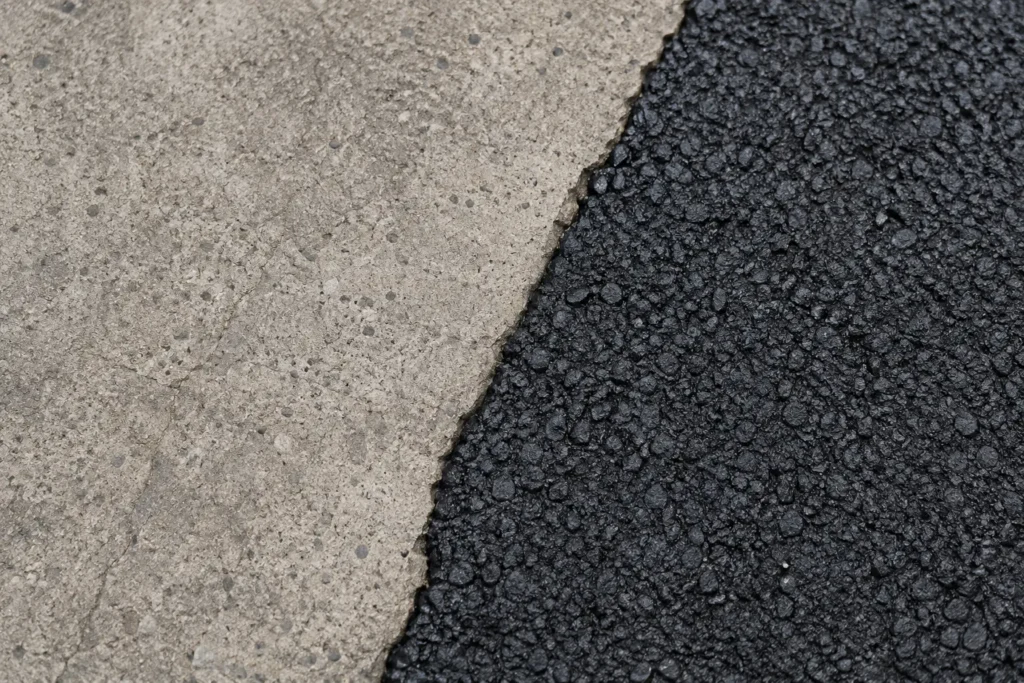
Concrete and asphalt are extremely dense. A small amount can reach a dumpster’s weight limit quickly, which is why these materials are often limited to smaller, heavy-debris setups.

Roofing Shingles
Shingles are one of the most common causes of overweight dumpsters. Even a single roof tear-off can add several tons, especially if there are multiple layers or moisture from recent rain.
Drywall & Plaster
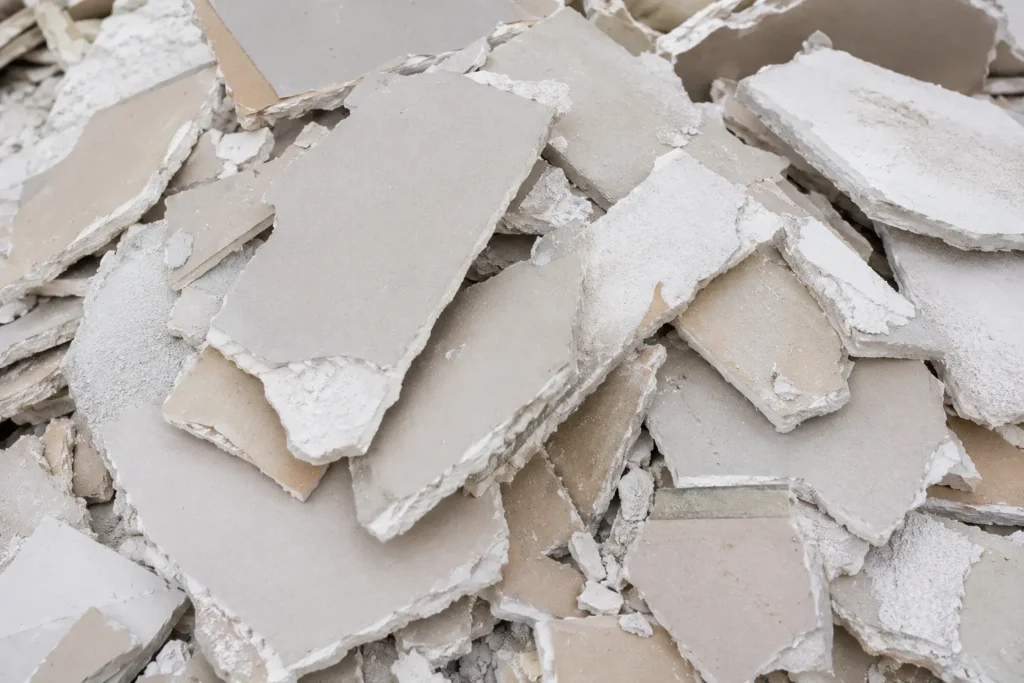
Drywall and plaster are moderate when dry but get heavy fast once wet. In Asheville’s climate, rain-soaked drywall is a frequent issue during remodels and cleanouts.

Carpet & Flooring
The carpet holds moisture and packs tightly. Once removed from a home, it often weighs more than expected, particularly when padding and underlayment are included.

Wood & Lumber
Wood is lighter than most construction debris, but treated lumber and framing scraps still add up. Mixed loads with wood and heavier materials should be planned carefully.
Match Debris Weight to Dumpster Size
Choosing the right dumpster isn’t just about how much fits inside. It’s about how much that load weighs once it hits the scale. This is where weight estimates and size need to line up.
Typical Weight Limits by Dumpster Size (10–40 Yard)
Smaller dumpsters usually allow less weight, even though they may look roomy. Larger dumpsters hold more volume, but they still have limits, especially for dense debris. Heavy materials often reach the limit of a 20-yard long before it’s full, while light household junk can fill a 30-yard without issue.
Heavy Debris vs Mixed Waste
Heavy debris loads should be planned by weight first, not size. Concrete, shingles, and dirt belong in setups designed for heavy material. Mixed waste works best for lighter debris like furniture, drywall, and general cleanouts. Mixing the two is the fastest way to go overweight.
How to Avoid Overweight Fees in Asheville
Most overweight charges are avoidable with a little planning. Knowing what you’re loading and how it behaves in real conditions makes a big difference.
Don’t Mix Heavy Materials
Keep dense materials like concrete, shingles, dirt, and tile separate from lighter debris. Mixing heavy debris with household junk fills weight limits fast and is the most common cause of overages.
Watch Out for Wet or Saturated Debris
Rain adds weight quickly. Wet carpet, drywall, and roofing materials can weigh significantly more than dry loads, which is especially common during Asheville’s rainy seasons.
When to Choose a Heavy-Debris Dumpster
If your project involves roofing, masonry, or ground material, plan for a heavy-debris setup from the start. These dumpsters are sized and priced to handle dense loads safely and cost-effectively.
Ready to Know Your Dumpster Price in Asheville?
You’ve seen how pricing works and what affects the total. Now get a clear, local quote you can trust, no guessing, no surprises. Call Fair Dumpster Rental for Your Exact Price. Fast pricing based on your project, debris type, and timeline.